02 City Guides Texas
Austin Road Trip Guide: Neighborhoods, Food & Bat Season
Summary
Austin is the second stop on this Texas road trip, about 165 miles west of Houston, and the best things to do in Austin on a road trip happen at the two ends of the day: the bat flight at dusk and a cold spring-fed swim the next morning. Spring and fall are the best windows, and the bats fly from late March into the fall. This guide covers the neighborhoods, the food, where to swim, practical tips and the drive south to San Antonio.
The first ones come out as a thin trickle, so few that you’re not sure you’ve seen anything. Then the trickle turns into a ribbon.
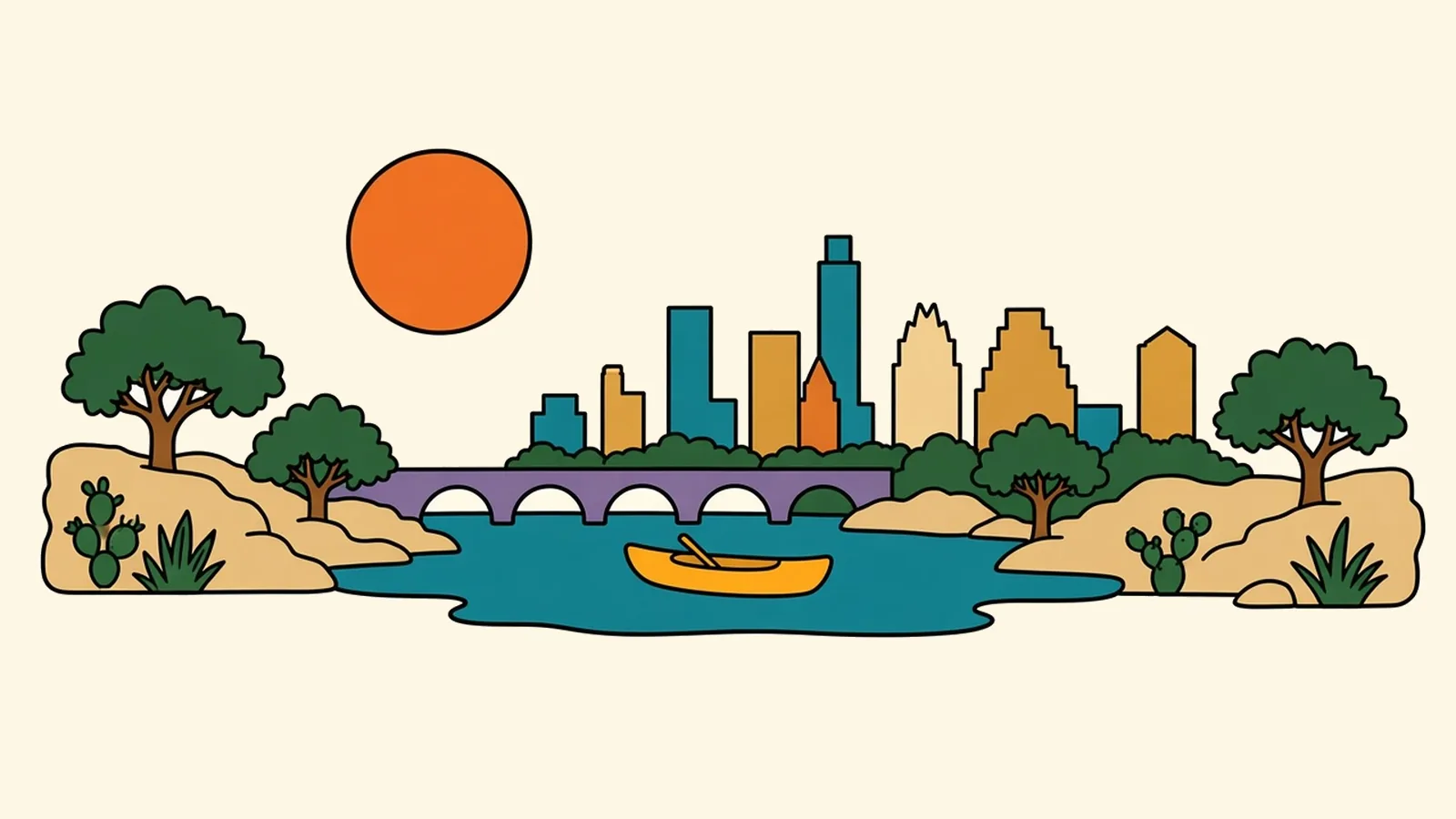
You’re leaning on the rail of the Congress Avenue Bridge with the sun just gone behind the hills to the west. The water of Lady Bird Lake below has turned the color of weak tea and copper. Kayaks drift in loose clusters under the bridge, paddles resting across laps, and a crowd has gathered on the grass by the south bank. Then a sound reaches you that you didn’t expect: a faint dry chittering, like a field of crickets that just woke up. The ribbon thickens and twists, and it heads east along the river, a moving smoke trail of Mexican free-tailed bats against a pink sky.
At the height of the season, roughly a million and a half bats live under this bridge. Bat Conservation International counts it as the largest urban bat colony in North America. Nobody planned it. A 1980 rebuild of the bridge left narrow crevices in its underside, and the bats moved in.
That’s Austin in one scene. The city’s best hours sit at the two edges of the day, dusk and early morning, and both of them are about water. Here’s how to string them together.
Quick plan
- How long
- At least one dusk and the morning after.
- Best months
- March through May, then October and November.
- Bat season
- Late March into October, sometimes early November.
- Drive in and out
- About 165 miles from Houston; about 80 miles to San Antonio.
Things to do in Austin on a road trip, from dusk to the next morning
Once the bats are gone, the city switches on.
Walk north off the bridge and Congress Avenue runs straight uphill to the Capitol. Lit at night, its dome glows above the street like it’s floating. The building is faced in red granite from Granite Mountain near Marble Falls, about fifty miles northwest, and the stone has a warm, pinkish glow under floodlights.
Music starts leaking out of doorways. Live music in Austin is less a tourist feature than a habit: small rooms, back patios and big outdoor yards, country and blues and punk and Tejano, most nights of the week.
Downtown gets loud. The old Sixth Street strip fills with foot traffic and neon. A few blocks over, around Red River, the sound shifts to amplifiers and band rooms.
You get hungry around eleven. Food trucks answer: parked in lots and beside bars, generators humming, serving tacos, Thai, barbecue, burgers.
Go to bed earlier than you want to. The best part of Austin is the morning.
Rewind three hours: Houston to Austin
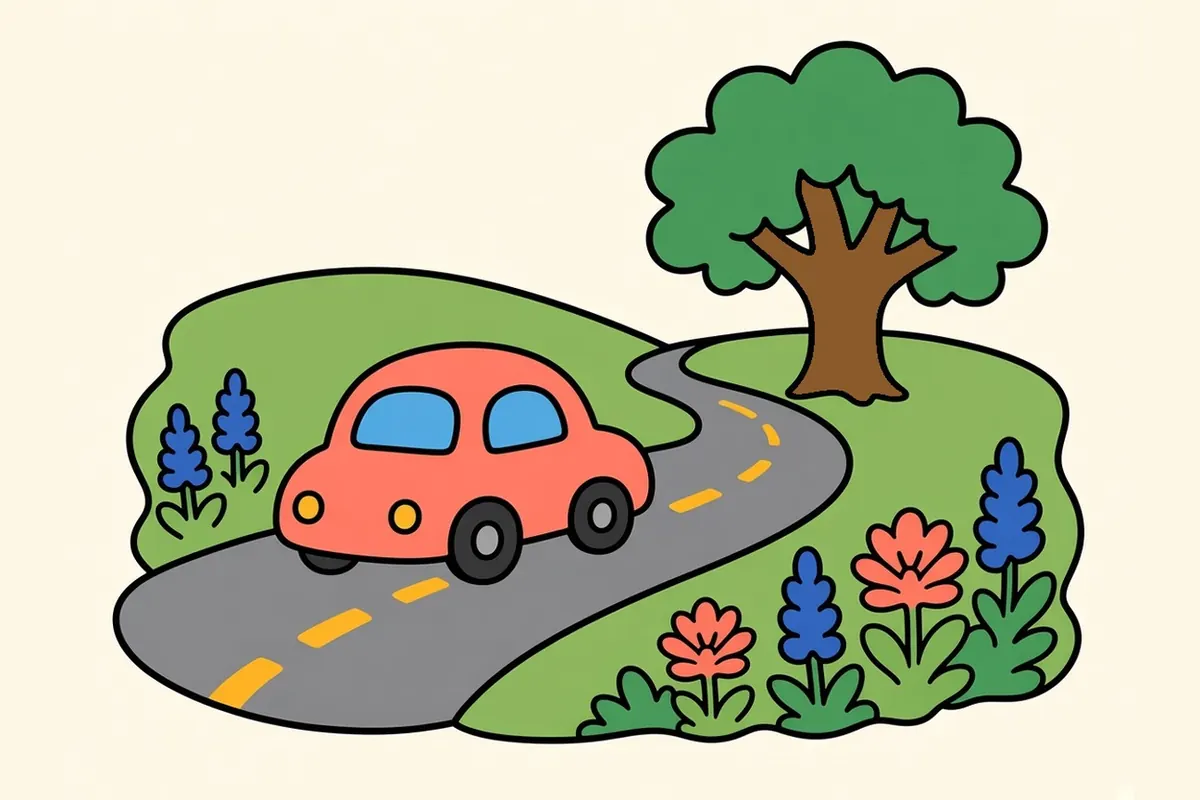
Three hours ago you were still on flat coastal prairie, with pastures, water towers and a sky so wide it seemed to start at the road shoulder. US 290 carries you northwest out of Houston’s sprawl. Gradually the land starts to roll, the pastures fill with post oaks, and small towns go by with courthouse squares and roadside kolache bakeries, a nod to the Czech and German farmers who settled this stretch. (The other route, I-10 west to TX 71 through Bastrop, is about the same distance.)
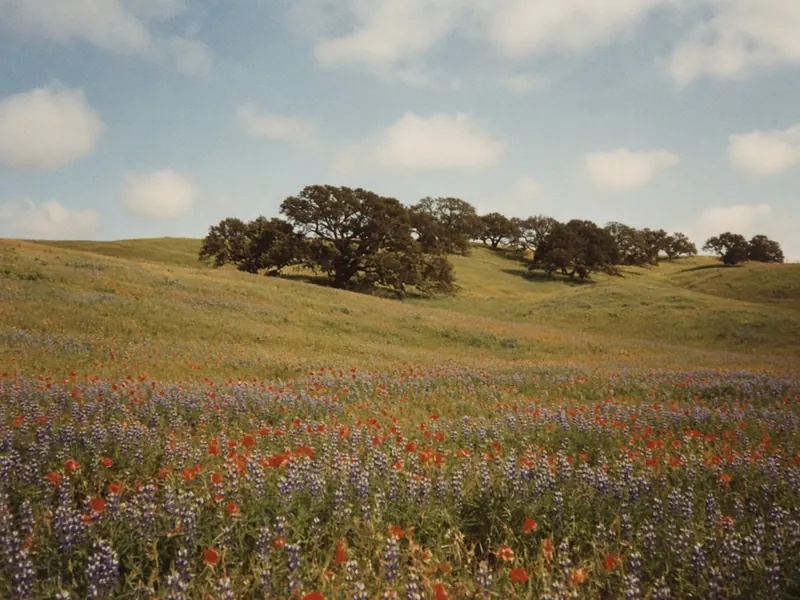
If you’re driving in late March or April, the shoulders are blue with bluebonnets. People pull over to photograph them, so watch for parked cars.
Then towers lift over the trees ahead, with the first real hills of the trip rising at their back. Back in Houston, where this trip started, the land never rose this much.
Austin neighborhoods, from the Capitol to the old airport
Downtown and the Capitol
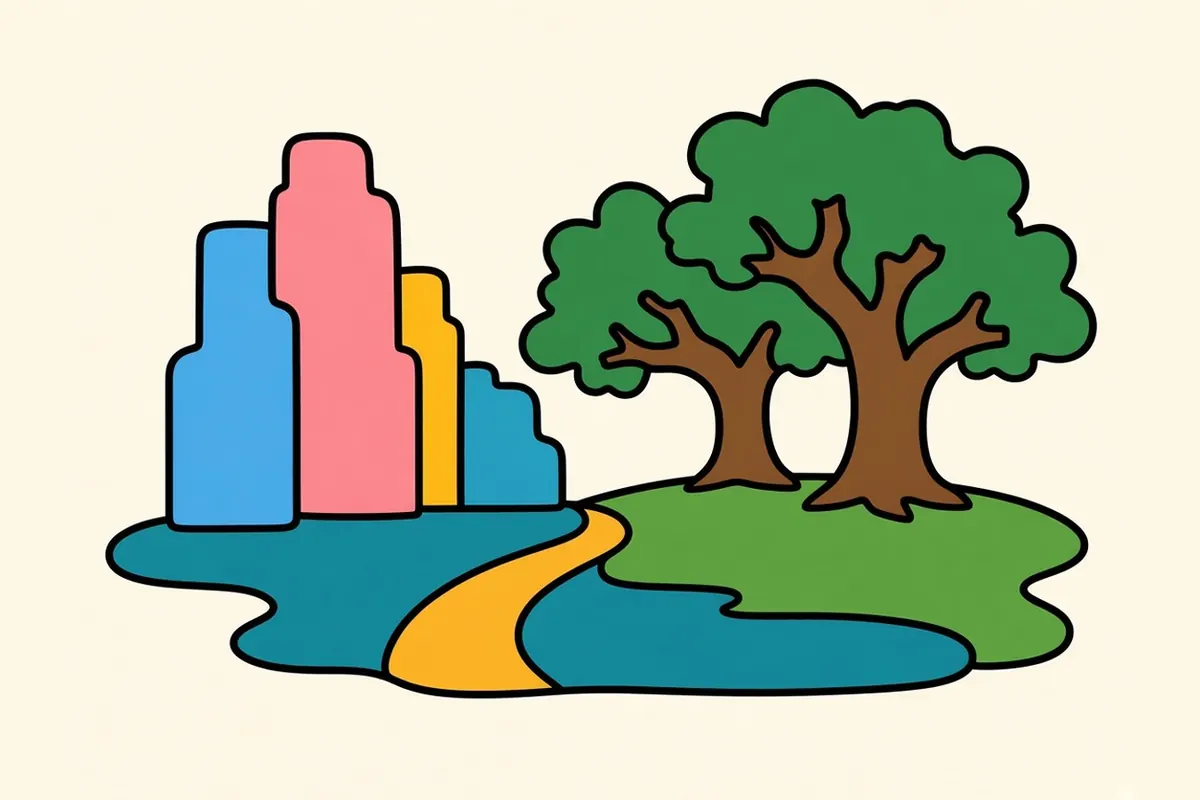
Congress Avenue is Austin’s spine. Glass towers line it at the river end and grow shorter as you walk uphill to the Capitol grounds, where the oaks are huge and the lawns are free to wander. The trail along Lady Bird Lake runs right below the towers, so you can be in an office canyon one minute and on a shady path by the water the next.
Sixth Street and the Red River area
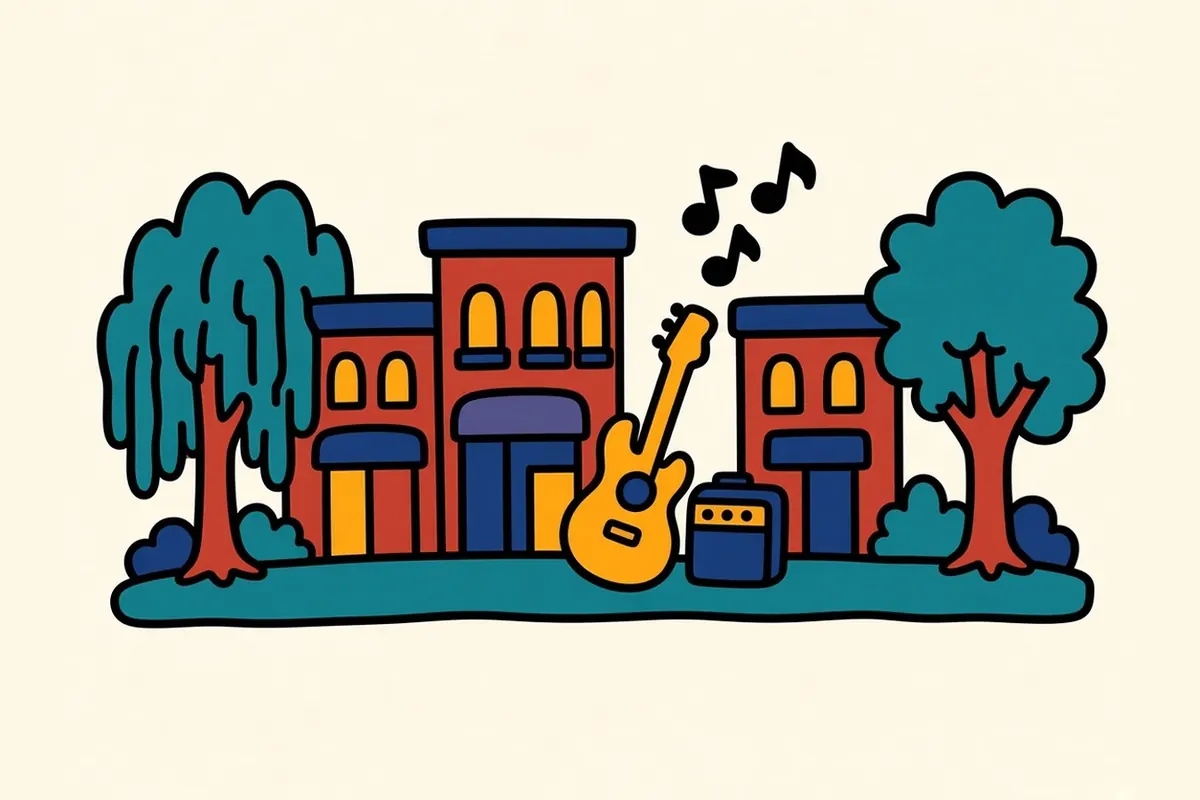
By day, Sixth Street is a row of old two-story buildings with quiet sidewalks and sunlight on brick. On weekend nights stretches of it close to cars and become a crowded open-air hallway of music and noise. The Red River area just east has the feel of a music district, with band posters, loading-dock doors and sound checks.
Rainey Street
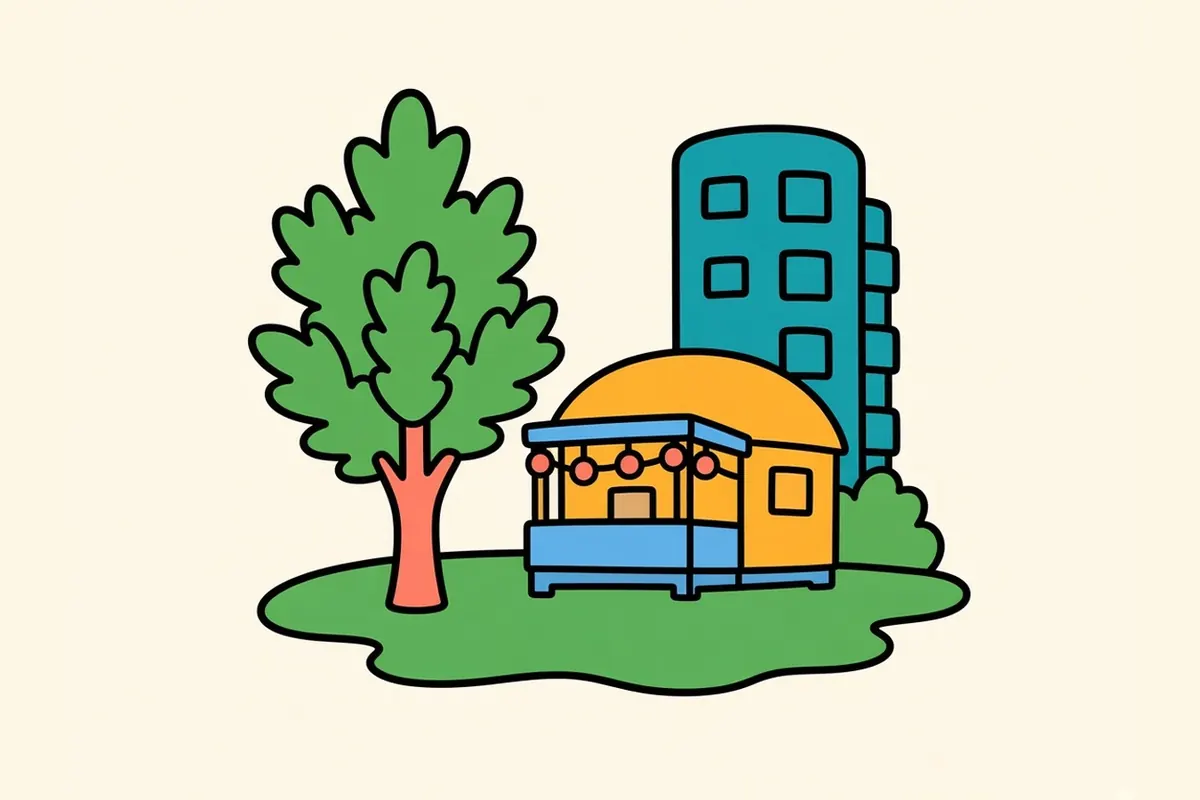
A few blocks of old wooden bungalows became bars with big porches and string lights, and now high-rise apartments tower over them. It’s a plain picture of the city’s growth: front-porch Austin and tower Austin standing face to face.
South Congress (SoCo)
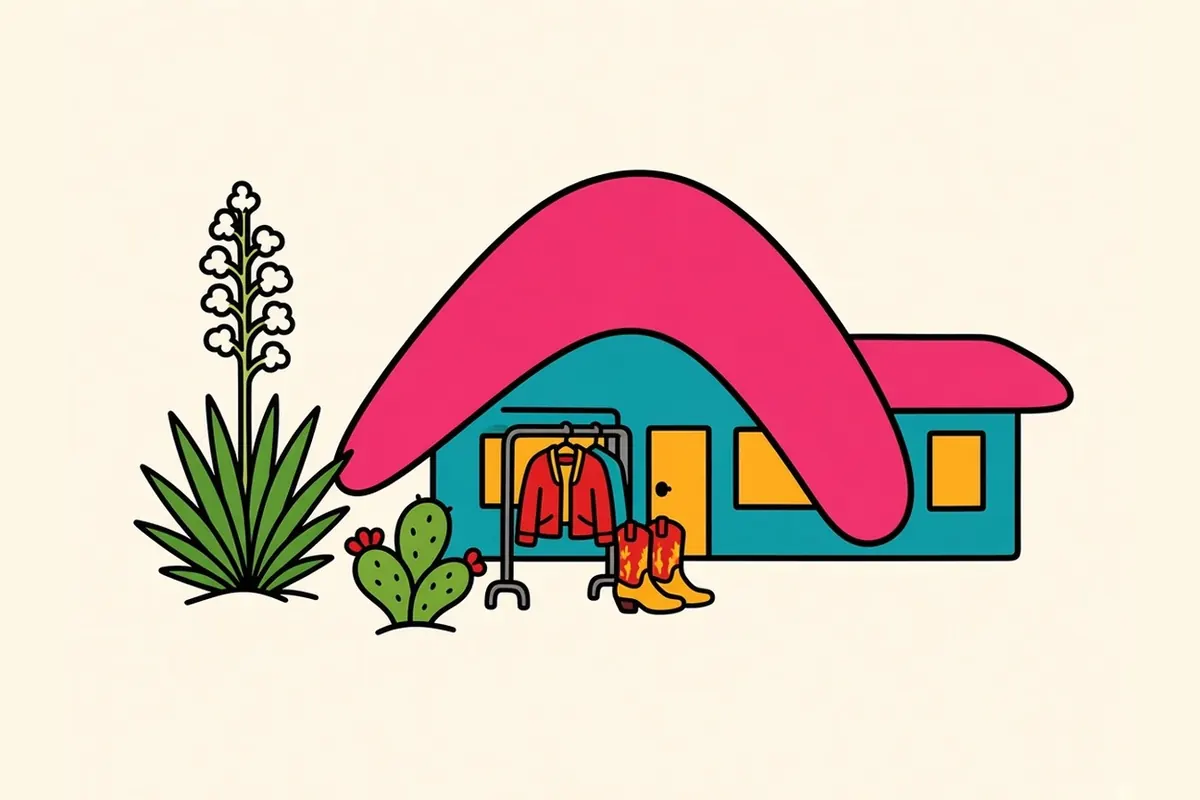
Cross the bridge south and Congress Avenue turns into a long strip of low-slung shops, vintage stores, restaurants and motels that have been made over for a new generation. The best moment is looking back north, where the street frames the Capitol dome straight up the road.
Zilker and Barton Springs
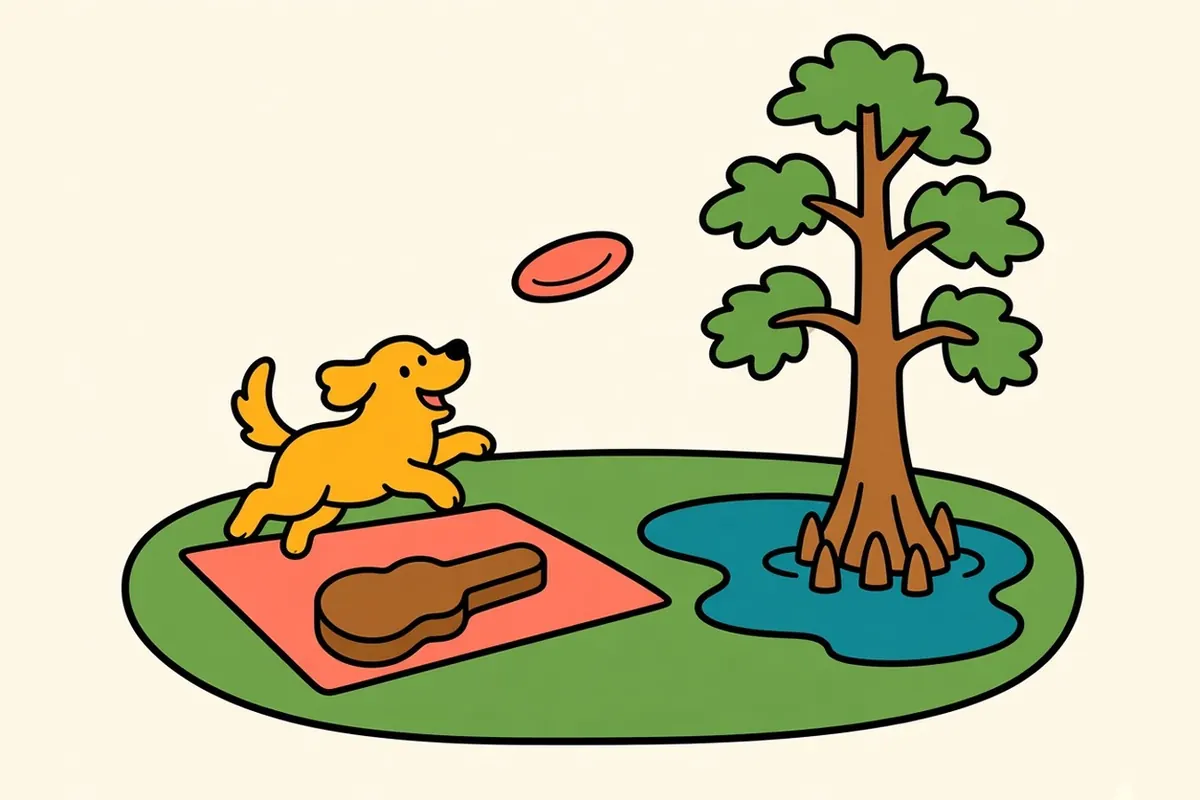
Zilker Park works as the city’s backyard: wide lawns for frisbees and dogs, the botanical garden, and on the south side, the springs. On weekends the lawn fills with blankets, guitars and kids on scooters, and the city’s pace drops a gear.
East Austin
East of I-35, along East Sixth Street and East Cesar Chavez, is where the city’s Mexican American and Black communities have deep roots, with churches, family-run taquerías and murals. In recent years it has also filled with new restaurants, bars, galleries and apartments, and the neighborhood is changing quickly. Old corner stores sit beside brand-new patios. Walk it slowly and you’ll see both at once.
Hyde Park
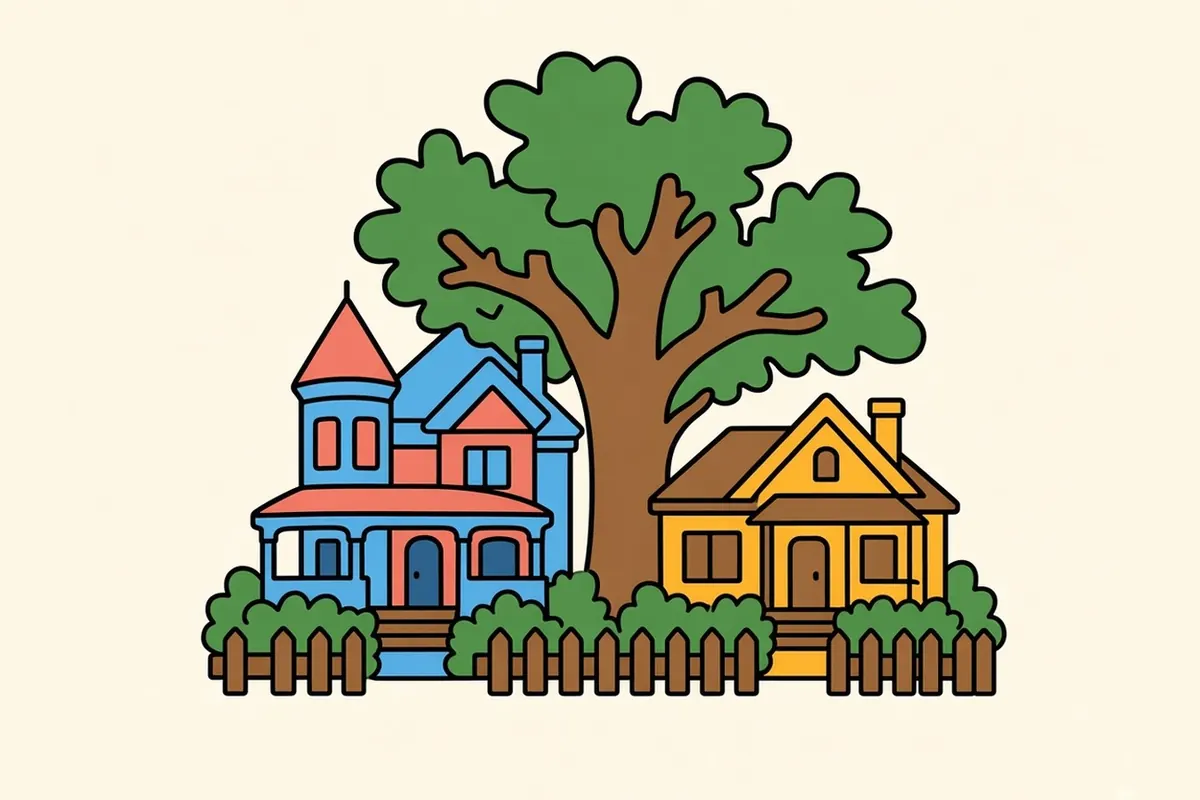
North of the University of Texas campus, Hyde Park began in 1891 as one of Austin’s early suburbs. Today its oak-shaded streets are lined with Victorian and Craftsman houses and deep front porches. The Elisabet Ney Museum, the former studio of a 19th-century sculptor, sits in a small park here and looks like a little limestone castle.
Clarksville and Old West Austin
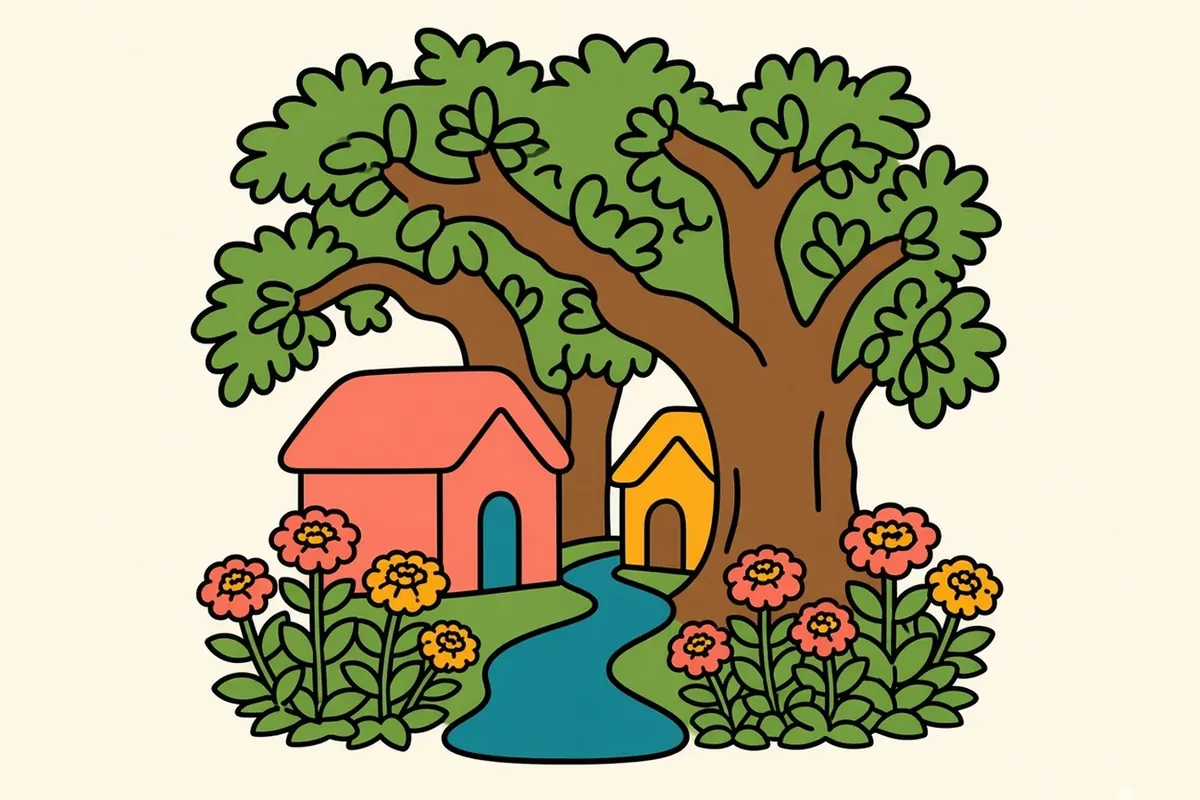
Clarksville was founded in 1871 by Charles Clark, a freedman, who bought land west of town and sold lots to other formerly enslaved families. It’s one of the oldest freedmen’s communities west of the Mississippi. Its narrow streets, small cottages and big trees make a hushed, walkable pocket just west of downtown.
Mueller
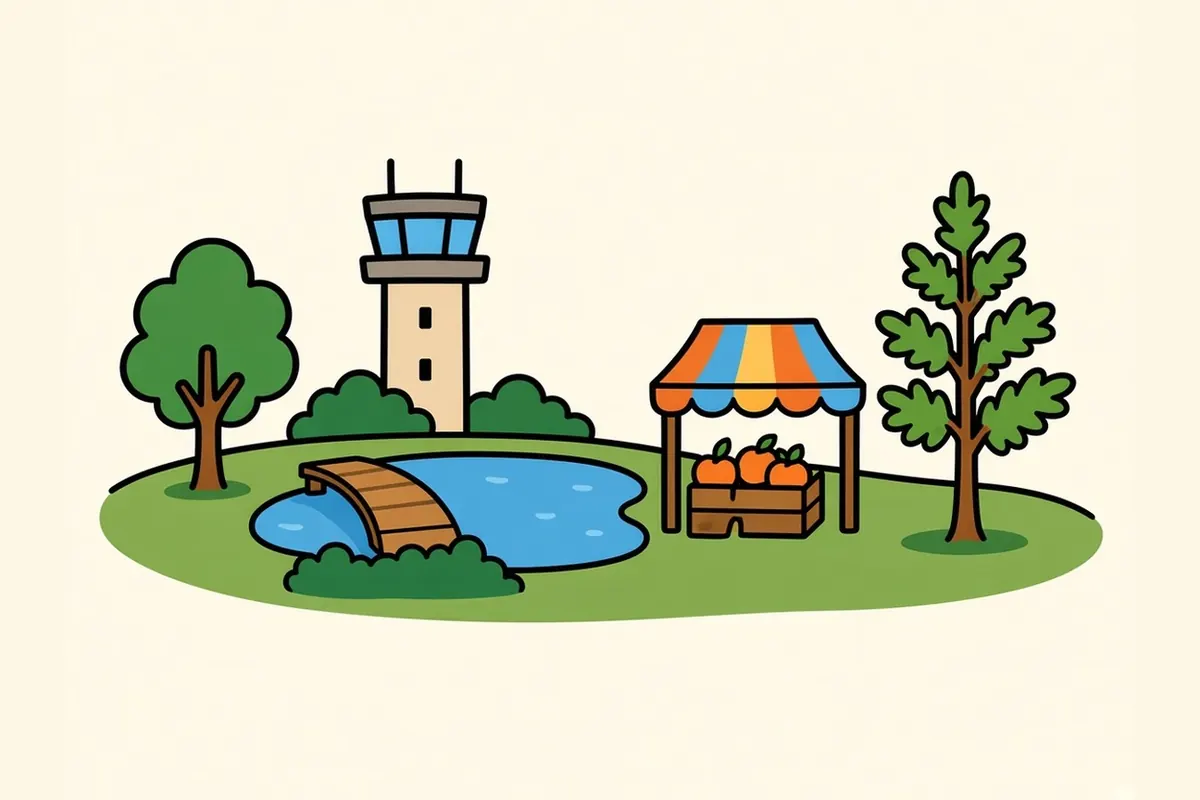
Mueller is where Austin’s old municipal airport used to be. It’s now a planned neighborhood with a lake park at its center, a children’s museum and the old control tower still standing. On Sundays a farmers market fills a park pavilion. It’s Austin built from scratch.
Morning in the water
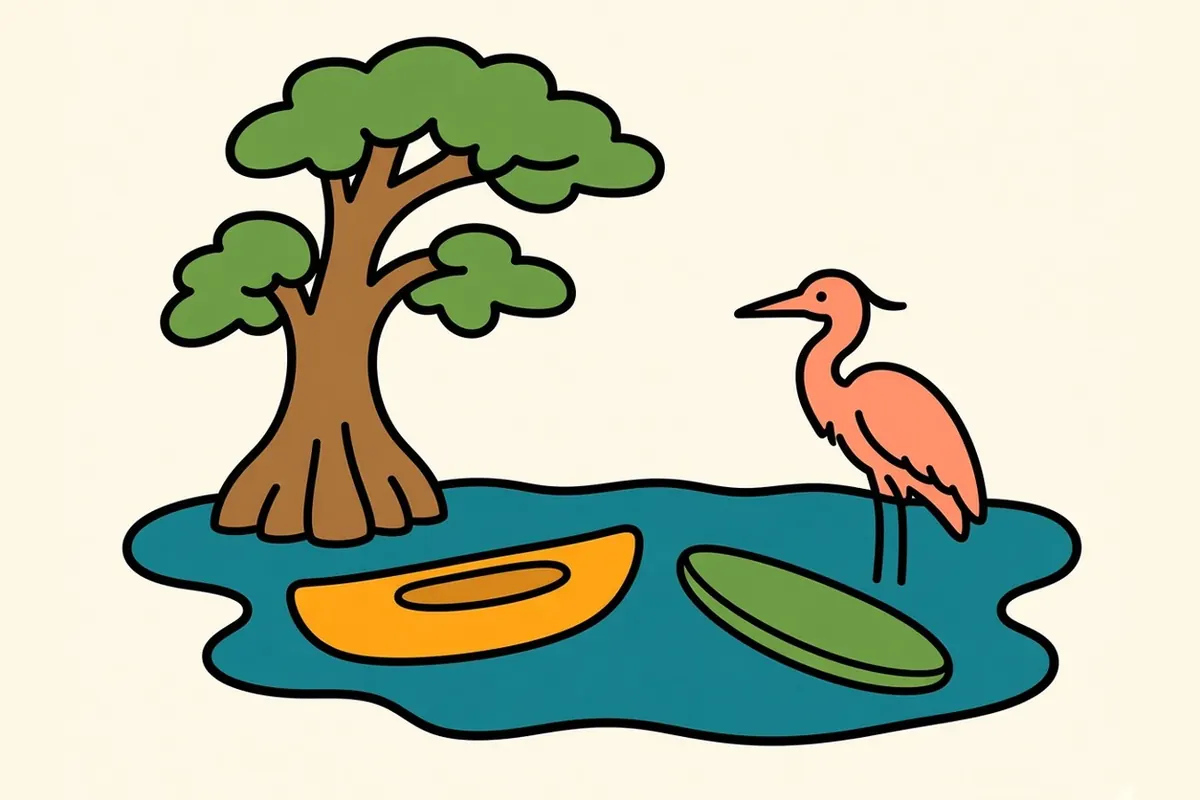
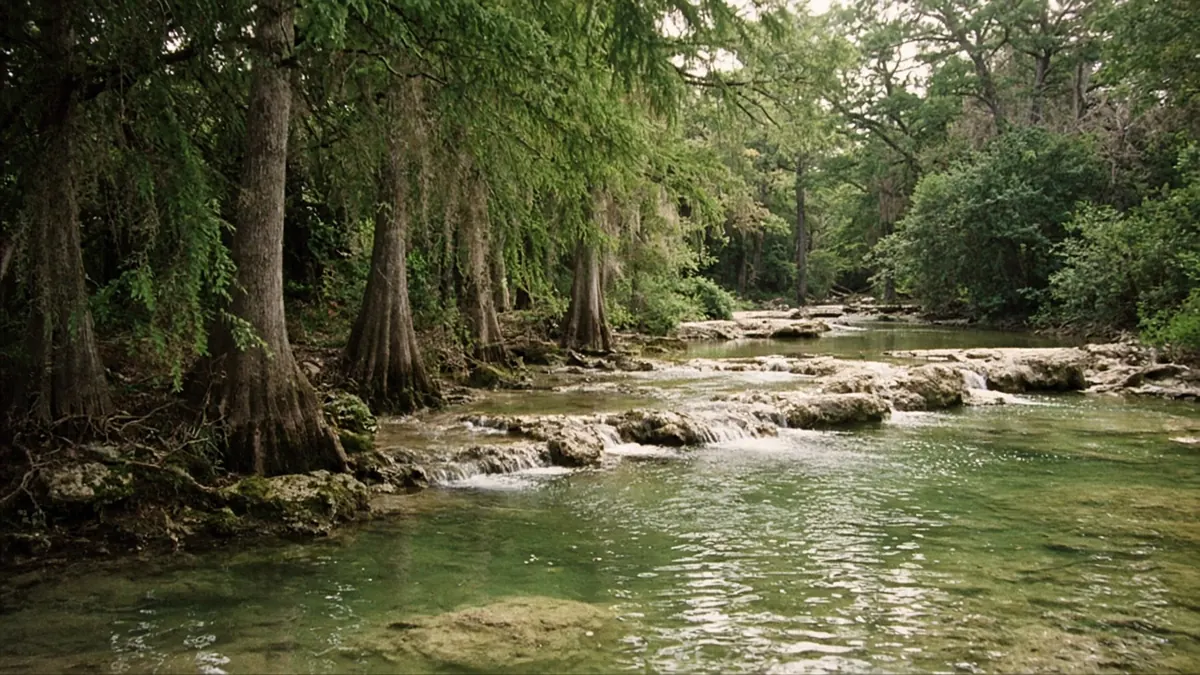
You’re at Barton Springs early, before the sun gets over the trees, and the first thing you notice is how still the water is. It’s a long pool, about three acres of it, set in limestone with a grassy hillside running down to one bank. The springs well up from the bottom, and the city puts the water at an average of 68 to 70°F all year, so in July the first step in is a shock that runs from your ankles to your scalp and stays with you for several breaths. Then your body gives up the argument, and you’re floating in water so clear you can watch the little fish below and the green plants swaying in the current, while the morning slowly warms the lawn around you. The springs are also home to the endangered Barton Springs salamander, a small reminder that this is a living spring before it’s a pool. Admission is charged in the warmer months and is free in the off-season, so check the city’s pool page before you go.
Deep Eddy is the other classic, on the north side of the river near MoPac. It’s the oldest swimming pool in Texas, built in 1915 beside an old river swimming hole, and it’s still filled with untreated well water from the same aquifer. It feels more like a classic pool, with lanes and a shallow end.
Afterward, follow the trail around Lady Bird Lake. It loops the river through downtown with stretches of boardwalk over the water, and in the early hours it belongs to runners, rowers and paddleboarders. To the west, the Barton Creek Greenbelt slips off into limestone canyons with cedar and oak along its walls. When it has rained enough, the creek fills its swimming holes. In a dry summer it can drop to stones and puddles.
By the time you’re dry, the day’s heat is building. That’s your cue for breakfast.
Eating Austin
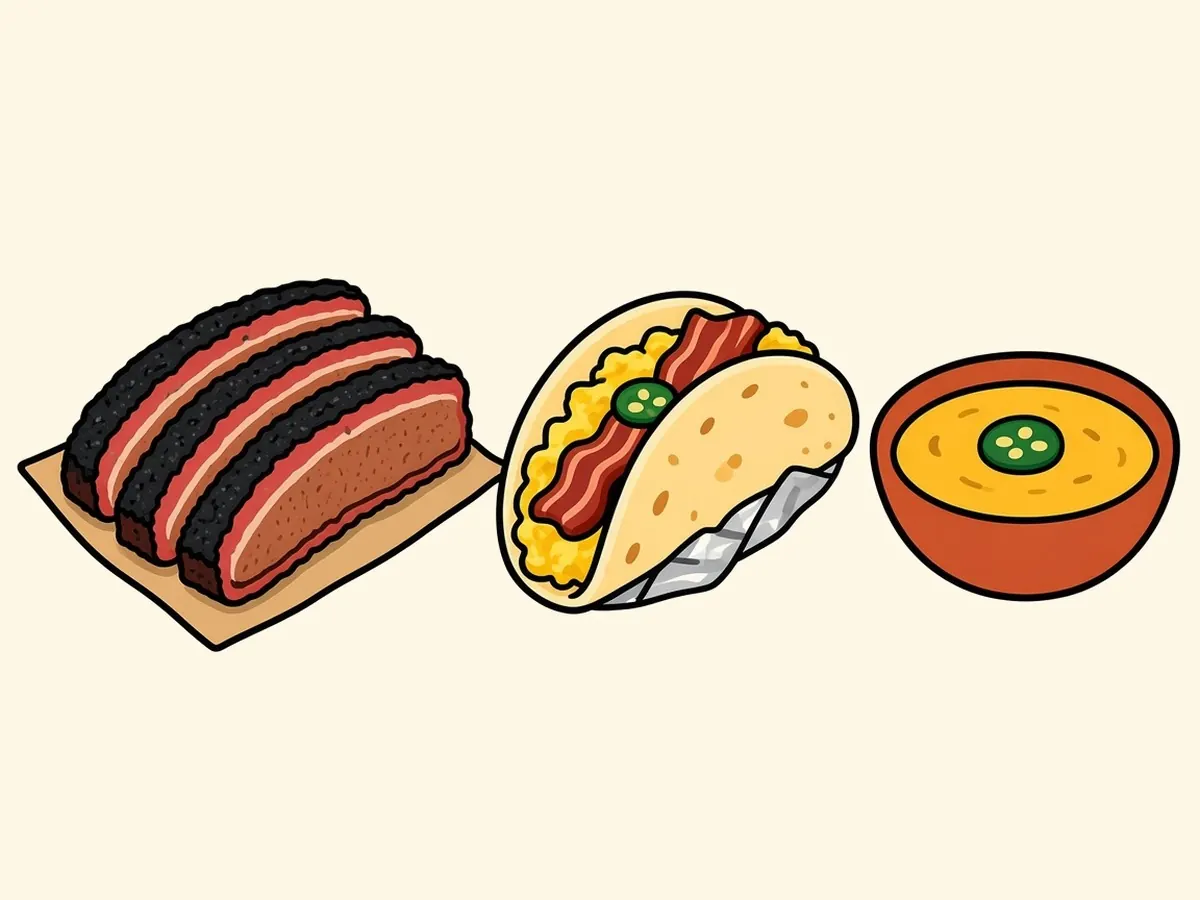
Breakfast tacos are Austin’s morning currency: a flour tortilla wrapped around egg and potato, or bacon, or chorizo, or migas, handed over in foil with a little cup of salsa. You’ll find them at gas stations, trailers and sit-down cafes alike.
Barbecue in Central Texas is its own tradition. Brisket smoked for hours over post oak, sliced and sold by the pound on butcher paper, with white bread, pickles and onions on the side. At the most famous pits, lines start early and the meat can sell out by afternoon. Waiting outside with strangers is part of the meal.
Then there’s Tex-Mex: enchiladas in chili gravy, fajitas on a sizzling skillet, and queso, the melted-cheese dip that Austinites treat as a basic food group.
Best time to visit Austin
Spring (March through May) and fall (October and November) are the best windows. In spring the wildflowers are out and the springs feel like a reward. In fall the heat breaks enough for long walks. Summer is long and hot, and the swimming holes carry it. Winter is mild, but December through February is cedar season, when mountain cedar pollen floats off the Hill Country and gives many people a nasty bout of allergy symptoms known locally as cedar fever.
The bats are in residence from late March into October, and the flights are biggest in late summer.
Two festival stretches change the city. In March, a big music, film and tech festival takes over downtown, and in October a large music festival fills Zilker Park. During both, hotel prices rise sharply and crowds are heavy. If you aren’t coming for the festivals, I’d plan around them.
What it’s like to live and work in Austin
Austin has two stable anchors: state government and the University of Texas. Around them has grown a large tech industry, from big companies to small startups, plus chipmaking and advanced manufacturing across the metro area, and a creative economy in music, film and design.
Cost of living is the honest trade-off. Austin is pricier than the rest of Texas, because housing costs climbed faster than many paychecks during the growth years, though rents have eased lately. Even so, it costs far less than the West Coast or New York, and there’s no state income tax to take a cut of a paycheck.
The upside shows up in ordinary weeks: you can swim in spring water and hike a greenbelt inside city limits, hear live music any night of the week, and reach the Hill Country in an hour. Even with all the change, the city hasn’t lost its sense of play.
Austin tips before you go
- Bats: Get to the bridge or the lawn by the bat-viewing area on the south bank 30 to 45 minutes before sunset, and face east, the direction they fly. Calm, warm evenings are best.
- Barton Springs: On summer weekends, go early. Check the city’s status page for flood or cleaning closures.
- I-35: Avoid weekday rush hours, especially if you’re heading south. The road through the city is often slow.
- Festival months: In March and October, book lodging well ahead, or stay outside the core.
- Getting around: Downtown and South Congress are walkable, and the lake trail links them. For the rest, you’ll want a car.
- Barbecue: Arrive early. The well-known pits often sell out.
- Summer heat: Save the greenbelt for the cool hours, pack more water than seems sensible, and never drive or walk into a flooded low-water crossing.
- Winter visits: If you have allergies, pack your usual remedies for cedar season.
South on I-35 to San Antonio
Leaving is the least romantic part of Austin. At rush hour, I-35 is a wall of brake lights across the city’s core, so time your exit for mid-morning or early afternoon, after the commute and before school pickup.
Once you clear the southern suburbs, the road opens up. The hills stay off to the west, a low green line of limestone and juniper, while the land to the east flattens toward the coastal plains. You pass San Marcos, where another spring-fed river rises right in town, then New Braunfels, with its German-settler roots and the cold, clear Comal River.
It’s about 80 miles down I-35 to San Antonio, an hour and a half if traffic cooperates. Where Austin lives at the edges of the day, San Antonio is a city you walk through slowly, following one river through three centuries.
Common questions
What are the best things to do in Austin on a road trip?
Watch the bats leave the Congress Avenue Bridge at sunset, hear live music downtown or on the East Side, walk South Congress up toward the Capitol, swim at Barton Springs or Deep Eddy the next morning, and eat breakfast tacos and Central Texas barbecue.
When is bat season in Austin, and what time do the bats fly?
The Mexican free-tailed bats under the Congress Avenue Bridge are usually in residence from late March into October, sometimes early November, and they come out around sunset. Late summer flights tend to be the biggest, after the year's pups start flying. Get there 30 to 45 minutes before sunset.
How cold is Barton Springs Pool?
The city puts the average water temperature at 68 to 70°F all year. That feels icy on a July afternoon and almost mild on a winter morning.
What are the best neighborhoods to explore in Austin?
South Congress, Zilker and Barton Springs, East Austin, Hyde Park, Clarksville and Mueller give you very different sides of the city. Downtown, Rainey Street and the Sixth Street and Red River area are where the night happens.
How far is Austin from San Antonio, and what's the drive like?
About 80 miles south on I-35, roughly an hour and a half without traffic. It's one of the busiest corridors in Texas, passing San Marcos and New Braunfels, so plan around weekday rush hours.
Is Austin expensive to live in, and what are the main jobs there?
It's pricier than most of Texas, mainly because housing costs climbed fast during the boom years, though it's still well below the big coastal metros and Texas has no state personal income tax. State government, the University of Texas, a large tech industry, chipmaking and advanced manufacturing, and creative work like music and film are the main sources of jobs.