Summary
Roanoke is a valley city in Virginia's Blue Ridge, with a walkable downtown below a lighted star on Mill Mountain and the Blue Ridge Parkway running along the edge of town. This guide to things to do in Roanoke, VA on a road trip climbs in three steps, from the valley floor to the star and then to the Parkway. Getting in is easy, with an airport a few miles from downtown, I-81 along the valley and Amtrak trains at a station downtown.
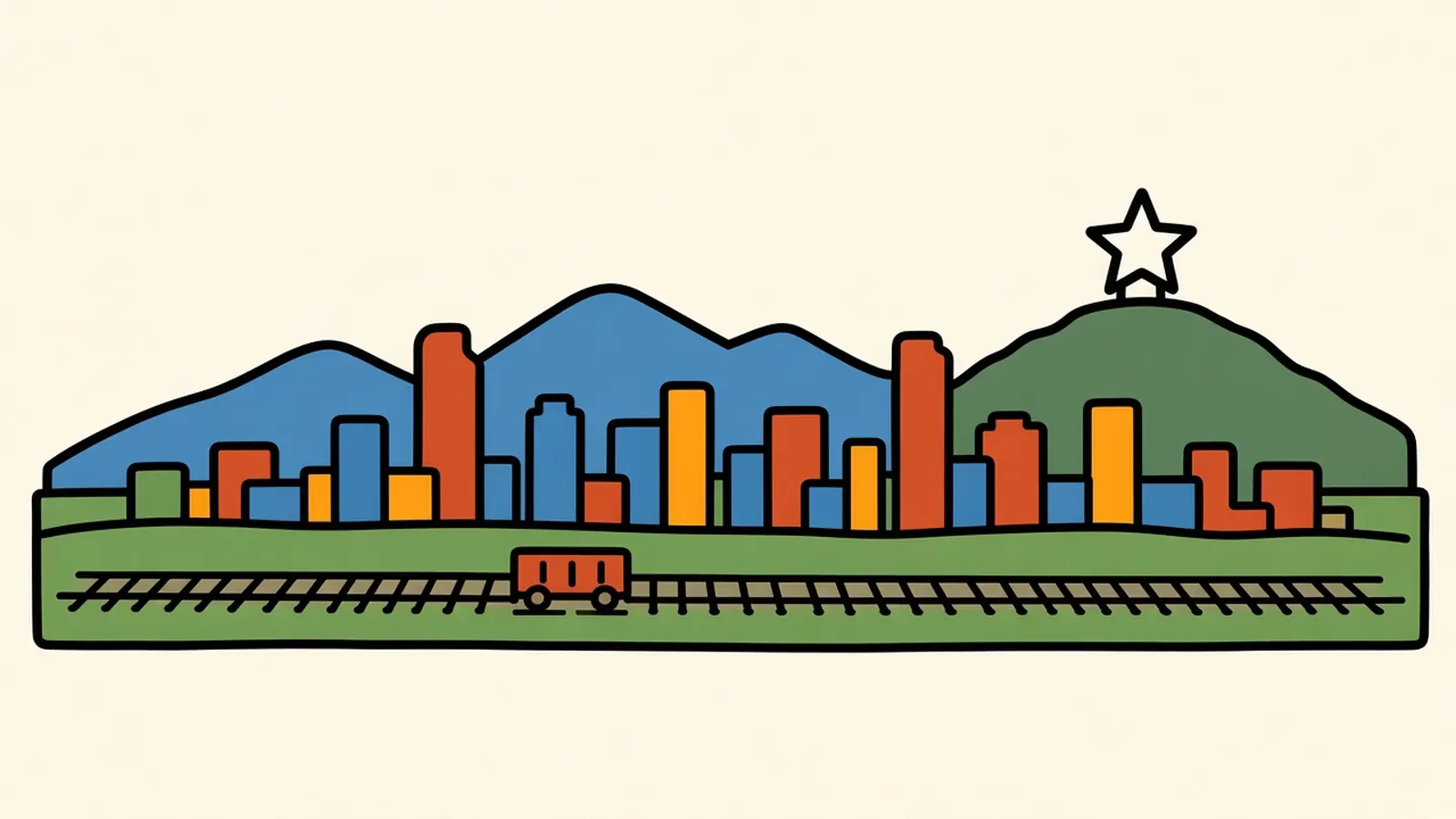
A star stands on the mountain above the valley floor.
You notice it late in the afternoon from a downtown sidewalk, standing between brick warehouses and old storefronts while the light goes gold on the upper floors. To the south, Mill Mountain climbs abruptly from the edge of downtown, wooded and steep. Right on its top, against the sky, there’s a huge star, its frame clear in the slanting sun.
Down here it’s a regular weekday in a valley city. Delivery trucks idle at the curb. A train horn sounds somewhere out along the tracks. People walk home from work past café windows.
And above all of it, that star keeps watch over the rooftops, too big to be decoration and too high to be an accident.
What is it doing up there, and can you actually get to it?
Quick plan
- How long
- Plan on a pair of nights: one for the city, one for the mountain and a Parkway afternoon.
- Best months
- May, then the early-fall months; winter is fine for the city, though Parkway gates may close.
- Getting in
- ROA is about 6 miles from downtown; I-81 and I-581 by road; Amtrak trains downtown.
- The Parkway
- No toll or fee; glance at the closures table before heading up.
- Toward Charlottesville
- About 120 miles, a little over two hours on the interstates.
Getting there
By air: Roanoke-Blacksburg Regional Airport (ROA) sits about 6 miles from downtown, roughly 15 minutes away, so you can be on Market Street not long after landing. Schedules shift by season, so see which nonstops serve your home airport.
Highways: I-81 runs northeast and southwest along the valley, and I-581 leads into downtown. US-220 heads south toward the Parkway and North Carolina, while US-460 and US-11 run across the valley. The Blue Ridge Parkway curves around the city’s southern and eastern sides.
By rail: Amtrak’s Northeast Regional serves Roanoke’s downtown station, running via Lynchburg and Charlottesville toward Washington, DC, and points north. Check Amtrak for current schedules before you plan around a train.
Drive times (all approximate):
- Boone, NC: about 167 to 171 miles, roughly 2 hours 50 minutes to 3 hours 35 minutes.
- Charlottesville: about 120 to 121 miles, roughly 2 hours to 2 hours 20 minutes.
- Greensboro, NC: about 99 to 106 miles, roughly 1 hour 55 minutes to 2 hours 20 minutes.
- Richmond: about 164 to 189 miles depending on the route, roughly 3 to 3.5 hours.
- Washington, DC: about 241 miles, around four hours or slightly longer.
Plane, train or interstate, you arrive a few minutes from the market.
Things to do in Roanoke, VA on a road trip, from the valley to the star
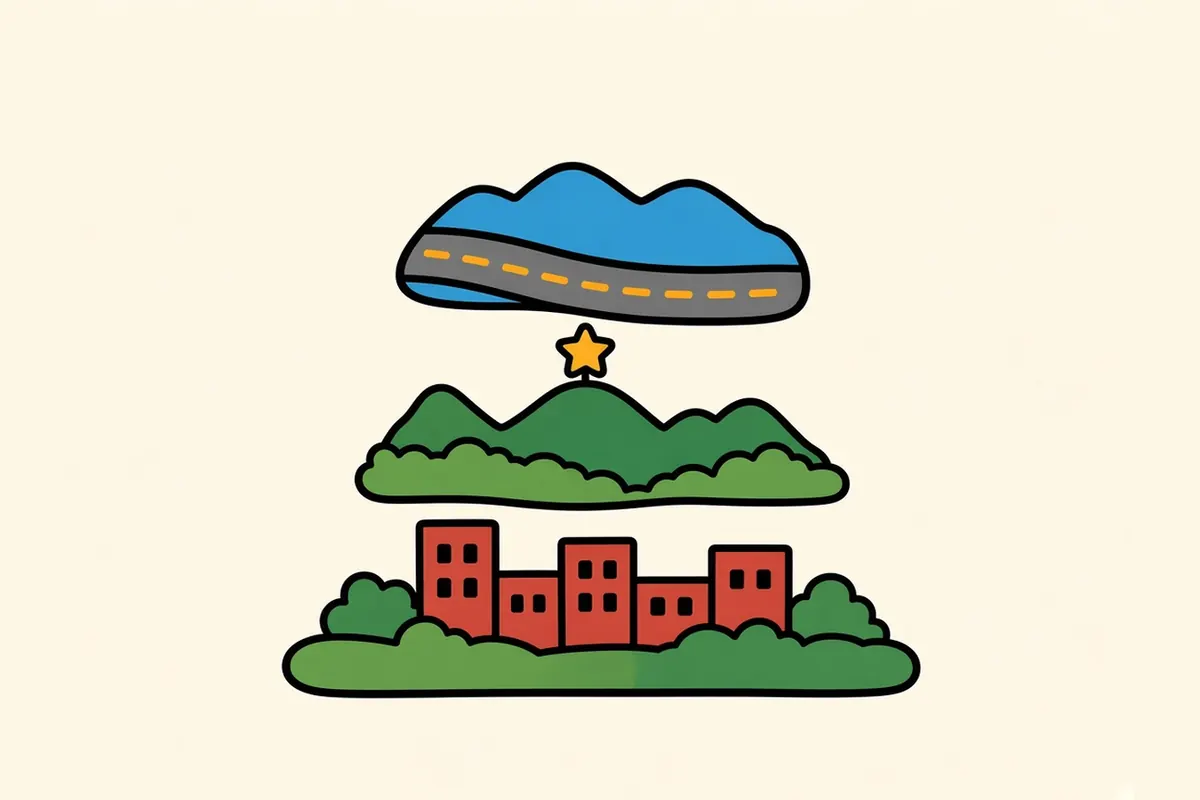
Roanoke works in three levels. The valley floor holds downtown, the market, the river and the older neighborhoods, all within a few miles of each other. Mill Mountain rises right in the city, with a park, trails and the star on top. And the Blue Ridge Parkway runs along the rim of the valley, close enough that you can reach it from downtown in minutes.
A loose way to spend it:
- Day one: the market district on foot, then Mill Mountain as the light goes.
- Two days: add the river greenway, Grandin Village and Old Southwest, then a Parkway drive.
- Longer: add Explore Park or a longer stretch of the Parkway north or south.
The tip worth having is to go up the mountain early in your stay rather than saving it, because the view from the top explains the whole city at a glance.
Start low and finish high, and the valley sorts itself out.
Roanoke, floor, mountain and Parkway
Downtown and the market
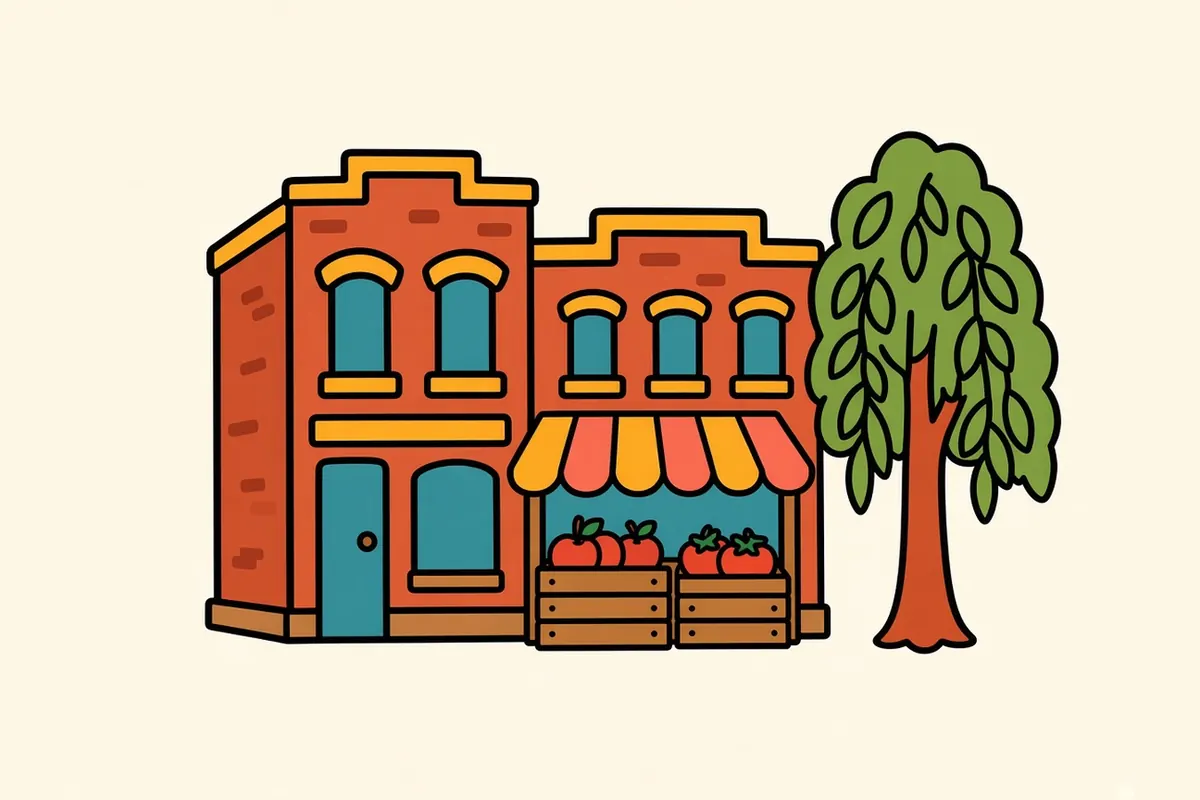
Downtown’s core is the Market District, built around the Roanoke City Market Building, a historic market hall now filled with independent places to eat. Across the sidewalk, the Historic Roanoke City Market sets out its vendor tables, an open-air farmers market that runs year-round and is billed as the oldest continuously operating one in Virginia. Around it, the streets hold galleries, museums, shops and restaurants in old brick buildings, all easy to cover on foot.
The Roanoke River greenway
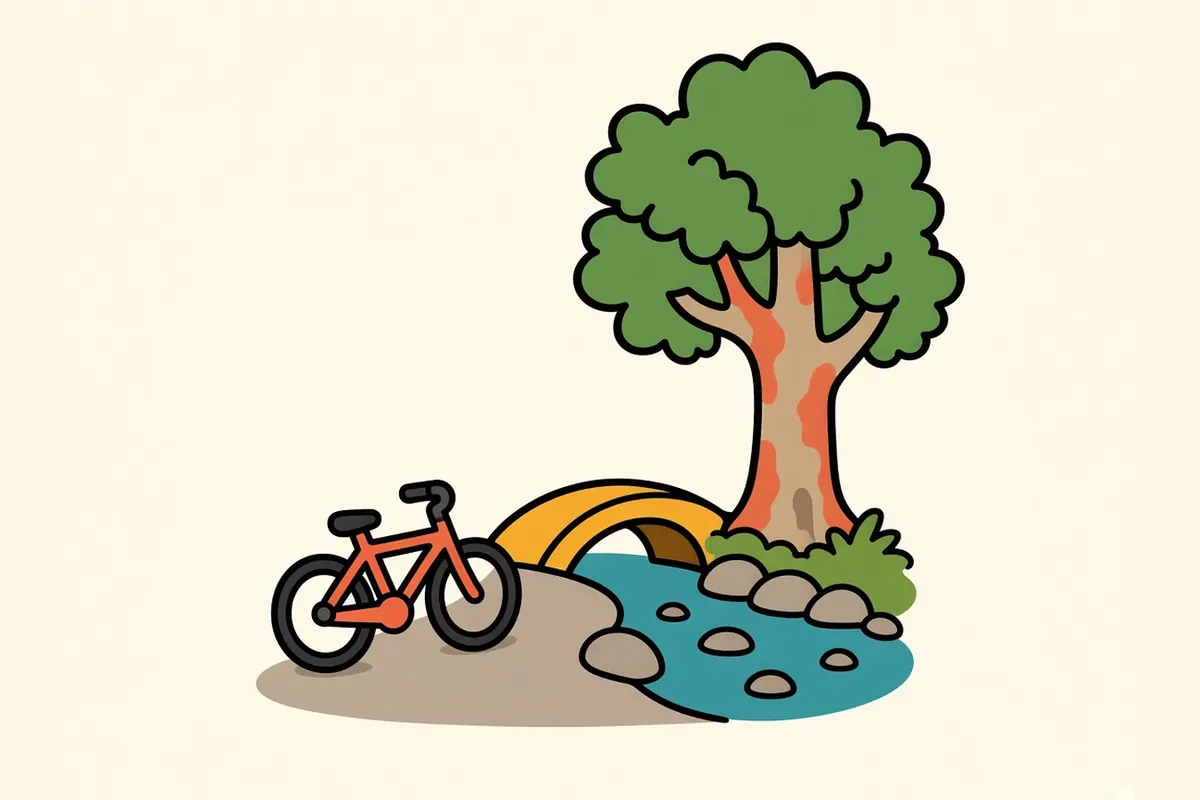
The Roanoke River Greenway follows the river through the valley, with more than 10 miles of paved trail inside the city. Trailheads at riverside parks, including Wasena Park, Smith Park and River’s Edge Park, make it easy to hop on for an hour. It’s flat, shaded in places and good for walking, running or an easy bike ride. One section still runs along the roadway while the rest is finished, so look at the city’s greenway map before planning a long ride.
Mill Mountain and the star
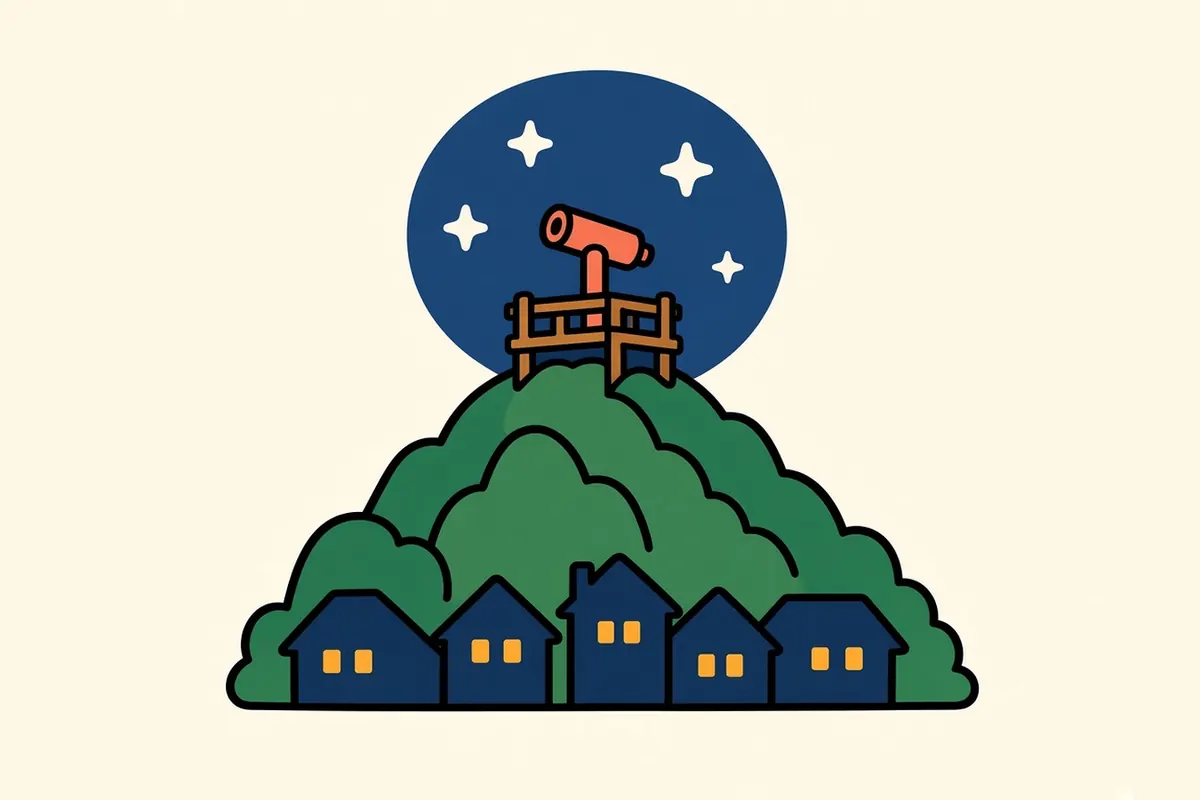
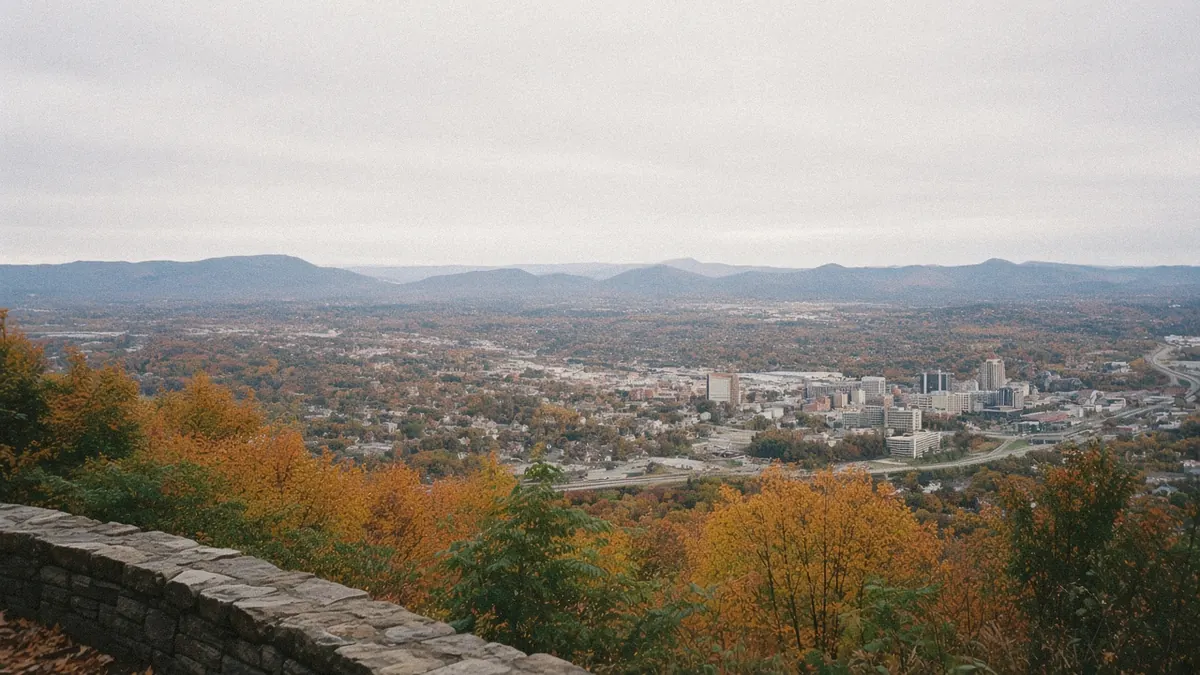
From downtown, you take Walnut Avenue over the river and up the mountain, then turn onto Mill Mountain Spur Road and follow it to the parking lot beside the Roanoke Star. Up close, the star is enormous, more than 88 feet tall and outlined in neon that lights it up at night. It stands in Mill Mountain Park, a city park of more than 500 acres with over 15 miles of trails, overlooks, a wildflower garden, a discovery center and a zoo.
The overlook is the payoff. The city spreads out below you: downtown, the rail lines, the river and the neighborhoods running up against the ridges on every side. The star is the city’s landmark, and the road up is how you get to stand beside it and see what it’s watching over. Mill Mountain Park is open daily from 6 a.m. to 11 p.m.
Grandin Village
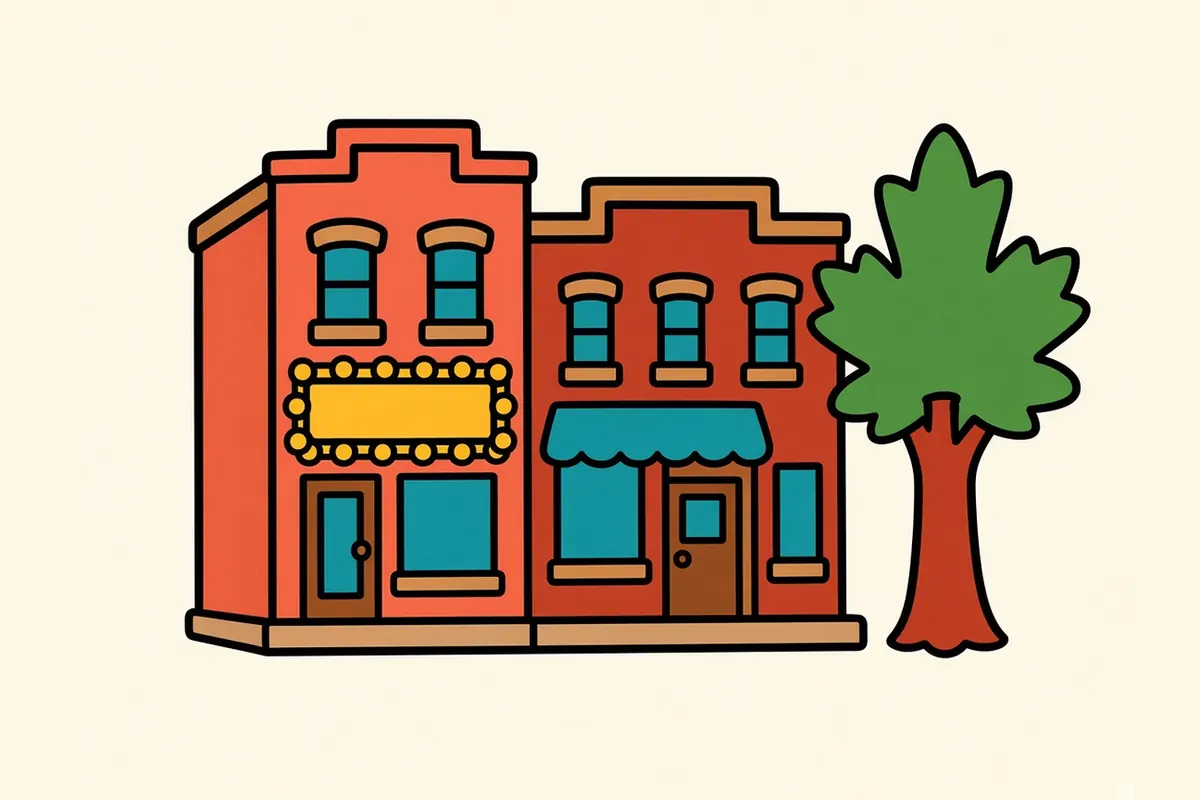
West of downtown, Grandin Village is a small neighborhood business district of older storefronts along Grandin Road, with cafés, small shops and a historic movie theater. Leafy residential streets surround it, and the greenway runs nearby. Save it for a slow evening among neighbors rather than sights.
Old Southwest
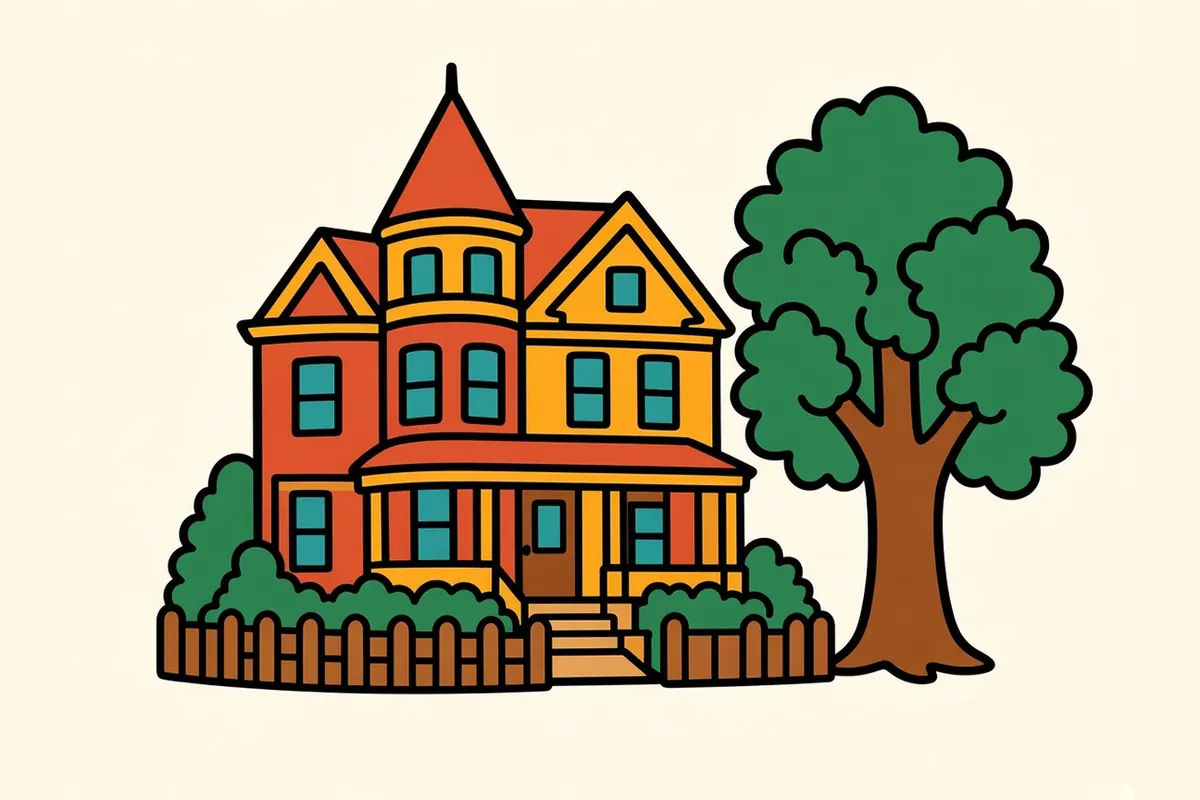
Just south and west of downtown, Old Southwest is a historic quarter of big Victorian homes, many with wide porches, on tree-lined streets. It’s residential, so walk it quietly, but it’s one of the best places in the city to see how Roanoke looked in its railroad heyday.
The Blue Ridge Parkway near Roanoke
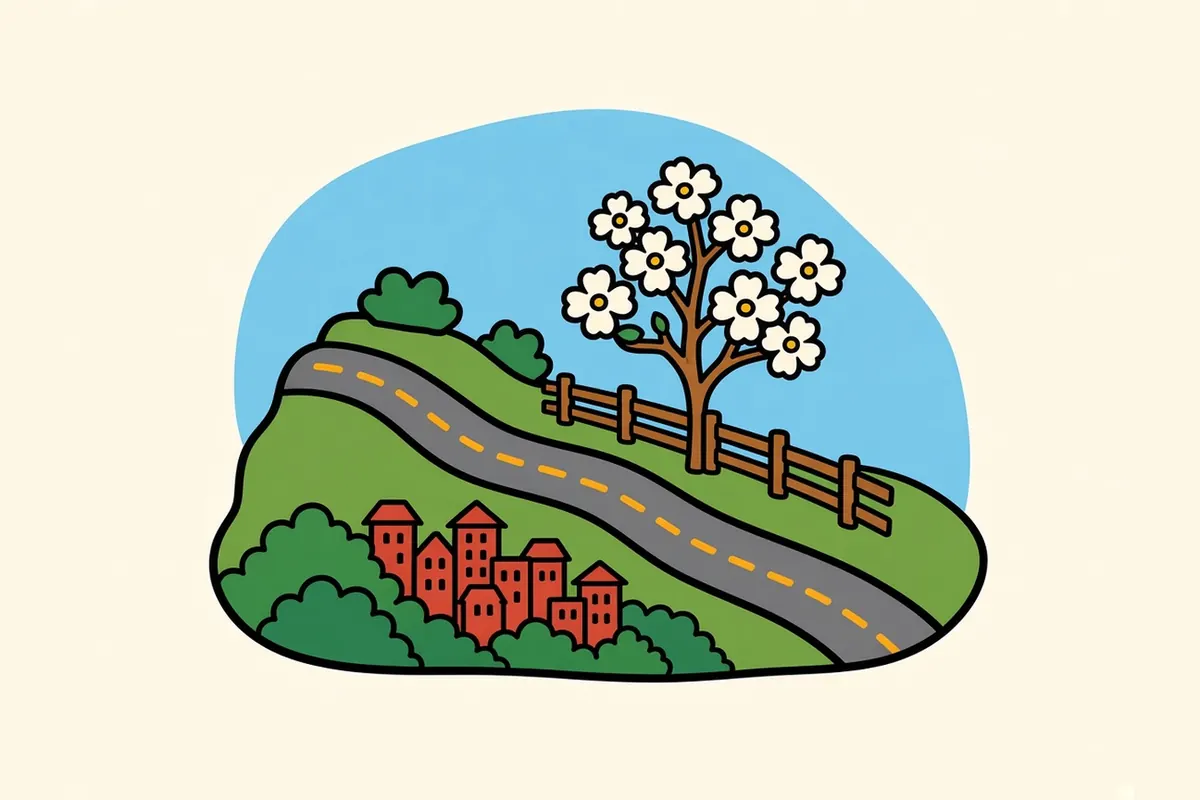
The Parkway rims the valley, with several roads climbing to meet it. Sections close seasonally and for repairs; check the Parkway’s road-status page before you go. Pull off at the overlooks to look back across the valley at the city.
Explore Park
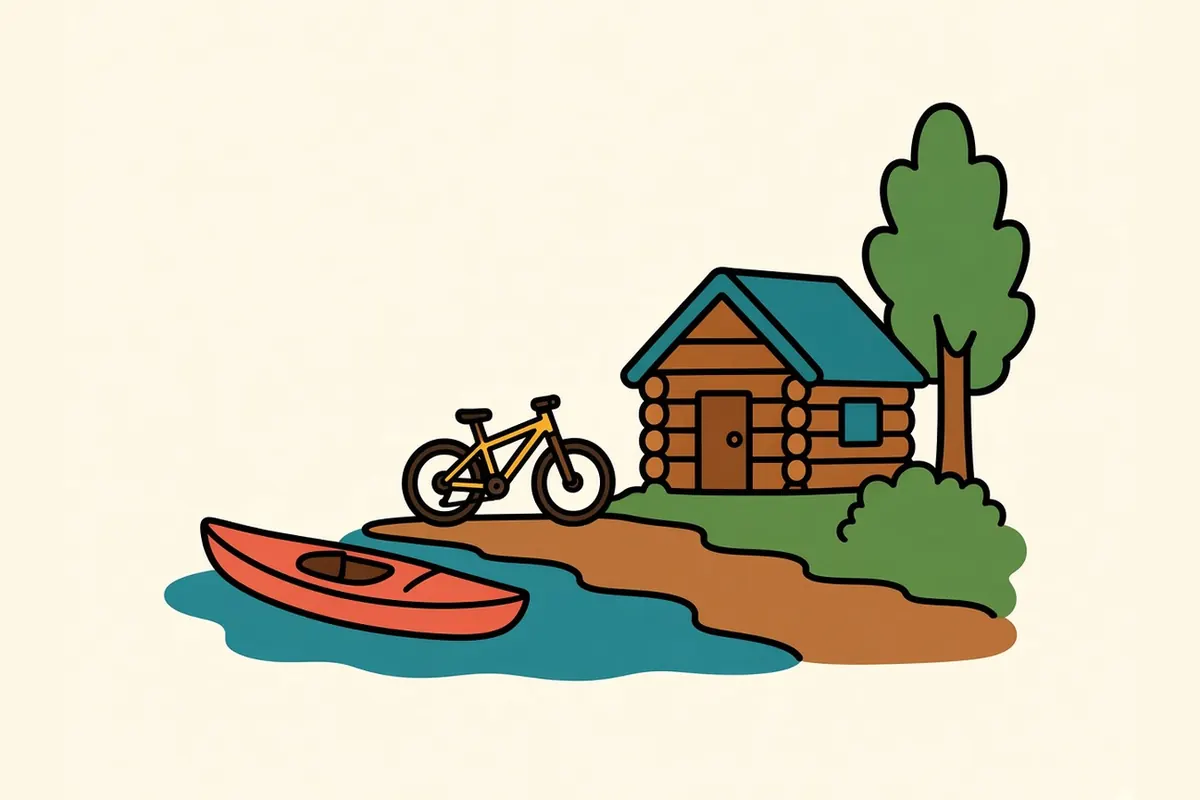
About 8 miles from downtown, just off the Parkway at milepost 115, Explore Park is a large Roanoke County park on the Roanoke River. It has around 14 miles of hiking and mountain-bike trails, river access for paddling and fishing, historic buildings along a loop trail and a Parkway visitor center. When the Parkway is closed, a back entrance off Rutrough Road still gets you in.
The whole valley fits into a weekend, and the star is never out of sight for long.
The Parkway on the valley rim
There’s no fee to drive the Parkway, and around Roanoke it slots neatly into a city day. It’s a slow road, though, with a speed limit and curves that reward taking your time, and sections close for weather and maintenance. Look over the closures table before you leave town.
Heading north, the Parkway climbs toward Peaks of Otter. The same table listed one section beyond Roanoke, from VA-501 to the Apple Orchard parking area, as closed for winter maintenance.
Repairs farther south in North Carolina can close a stretch of the Parkway, so it is not always one continuous open road between here and Asheville. Sections close seasonally and for repairs; check the road-status page.
Drive the stretches that are open, and the rest of the Parkway will keep.
How the valley earns its living
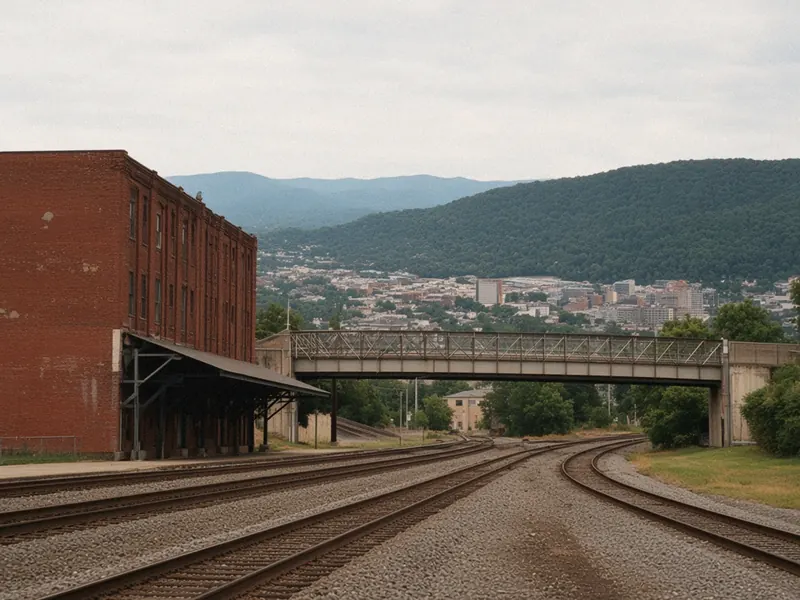

Roanoke grew up as a railroad and industrial city, and that history still shapes its work. Hospitals and clinics employ a large share of the valley, alongside manufacturing and logistics along the I-81 corridor and services for the wider valley. College and university work in the region adds more, and visitors drawn by the Parkway and the mountains support a growing share.
Living costs are lower than in northern Virginia and the big coastal metros, though housing has risen as people move in. For that, you get a walkable downtown, a mountain in the middle of town, the Parkway on the valley rim and an airport close by.
It’s still a working valley town at heart, one that just happens to have a national parkway on its ridges.
Roanoke, with a weekend to spend

- Drive up Mill Mountain early in your stay: It’s the orientation view, and it’s in town.
- Park once downtown: The market, the museums and the river greenway are all close.
- Read the Parkway table: Driving it is free, though weather and maintenance gate sections often.
- Leave slack on I-81: It’s a heavy truck corridor, so allow extra time around weekends and bad weather.
- Consider the train: If you’re not moving a car that day, the Northeast Regional connects Roanoke with Charlottesville.
- Come in fall: October is a strong month in the valley and on the Parkway; start early on peak weekends.
- See the star twice: Look up at it from downtown after dark, then visit the overlook in the late afternoon.
- Keep Shenandoah for its own day: The park is about two hours away and has its own page.
On the Blue Ridge and Smokies route
Blue Ridge and Smokies route: Knoxville to Shenandoah National Park. Previous: Boone, about 167 to 171 miles, roughly 2 hours 50 minutes to 3 hours 35 minutes by highway. Next: Charlottesville, about 120 to 121 miles, roughly 2 hours to 2 hours 20 minutes via I-581, I-81 and I-64. A Parkway drive toward Rockfish Gap is slower and depends on road status.
Pair it with:
- Boone: a High Country college town in North Carolina.
- Charlottesville: a Piedmont university city about two hours northeast.
- Shenandoah National Park: farther on, about two hours away via Charlottesville or I-81.
Would you start on the valley floor, or drive straight up to the star?
Sources
Common questions
What are the best things to do in Roanoke, VA on a road trip?
Walk downtown around the City Market Building and the open-air market, ride or walk the Roanoke River Greenway, and drive up Mill Mountain to the Roanoke Star for the view. Add Grandin Village and Old Southwest for neighborhood walks, and the Blue Ridge Parkway and Explore Park at the edge of town.
Is Roanoke, VA worth visiting?
Yes, especially as a base in the Blue Ridge. It's a working valley city with a compact downtown, a mountain park with trails right in town, a long riverside greenway and the Parkway minutes away, all without the crowds of bigger mountain destinations.
Can you see the Blue Ridge Parkway from Roanoke?
You can drive onto it within minutes. The Parkway runs along the city's southern and eastern edges, and a spur road leads from it to Mill Mountain and the Roanoke Star. Sections close for weather and maintenance, so check the Parkway's road-status page before you go.
How do you get to Roanoke by air, car or train?
Roanoke-Blacksburg Regional Airport (ROA) is about 6 miles from downtown. By car, I-81 runs along the valley and I-581 leads into town. Amtrak's Northeast Regional serves the Roanoke station, with trains via Lynchburg and Charlottesville toward Washington, DC; check Amtrak for current schedules.
How far is Roanoke from Boone, Charlottesville and Richmond?
Boone is about 167 to 171 miles, roughly 2 hours 50 minutes to 3 hours 35 minutes. Charlottesville is about 120 miles, roughly 2 hours to 2 hours 20 minutes. Richmond is about 164 to 189 miles depending on the route, roughly 3 to 3.5 hours.
What is the cost of living like in Roanoke, and what are the main jobs?
Living costs are lower than in northern Virginia and the big coastal metros, though housing has risen as people move in. Health care, manufacturing and logistics, services for the wider valley, college and university work in the region, and tourism make up much of the job picture.
More city guides
- Albuquerque
- Austin
- El Paso
- Flagstaff
- Glacier National Park
- Great Smoky Mountains National Park
- Houston
- Las Vegas
- Los Angeles
- San Antonio
- San Diego
- Santa Fe
- Shenandoah National Park
- Asheville
- Boone
- Bozeman
- Charlottesville
- Denver
- Glenwood Springs
- Jackson
- Knoxville
- Missoula
- Moab
- Salt Lake City
- West Yellowstone
- Whitefish